By Izzie Dew, Behaviour Team Manager
If your cat has spent years roaming outside, bringing them home can feel like a pretty big ask. The good news? It’s never not too late to change.
Cats love routine. So, any change to this may take some time for adjustment. You might get extra meowing, door sitting or perhaps a look that says, I’ll be speaking to management about this. That doesn’t mean they can’t adjust.
Myth: “They’re too old to change now.”
Fact: Cats can learn new routines at any age.
An older cat may simply need a little more time to adjust and work out what their new normal looks like. The key is not to change everything overnight. Instead, start small and build gradually.
Increase their time inside. Keep meals and playtime predictable. Make home a place where good things happen. Then give them time to realise that this new routine isn’t so bad.
Replace what they love about roaming
Think about what your cat gets from being outside. Are they a dedicated bird watcher? Give them a window perch where they can watch the birds. Do they spend their time exploring every corner of the neighbourhood?
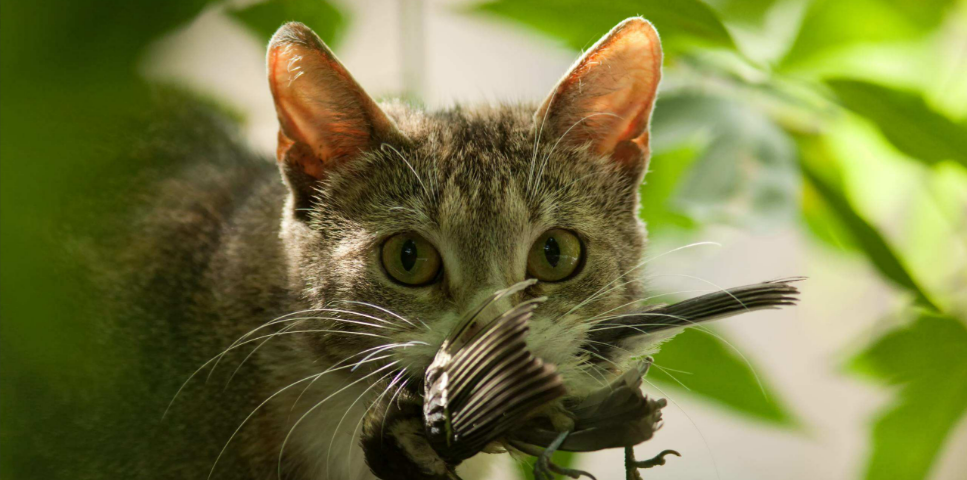
Try boxes, tunnels, hiding spots or new places to investigate around your home. Are they a tiny furry predator at heart? Interactive play, food puzzles and games that let them stalk, chase and pounce can help satisfy those natural instincts.
You’re not trying to convince them that outside wasn’t fun. You’re finding safer ways to give them the things they loved about it.
Expect some bumps along the way
Your cat may engage in behaviours such as meowing, pacing or waiting by the door to go out. These behaviours might not appear straight away, or they may reduce and then pop back up again.
It's important to remember that these behaviours don't mean your cat is trying to be difficult - it just means they might need some extra support.
Stay consistent, try to understand what they need and what they are communicating - it might be that they need to play or some social interaction. Continue to redirect them and never use punishment such as yelling. Instead, redirect them to another activity.
Don’t compare cats
Progress will be different for each individual cat. Some will settle into indoor-only life easily, whilst others may require additional support. If you or your cat is particularly struggling with the transition, it may be worth reaching out to your vet.
Look for the signs that matter: are they eating normally? Playing? Resting? Exploring? Settling for longer periods?
If they’re struggling, slow things down. If they’re relaxed and settling into the new routine, you may be ready to increase their time at home.
The takeaway?
It’s never too late to start. Your cat may have roamed for years, but that doesn’t mean they have to roam forever. With patience, consistency and plenty of good things happening at home, they can learn a new routine and enjoy an indoor-only life.
Ready to start bringing your cat home?
Our Behaviour Team has put together a simple From Roam to Home Guide with practical steps to help make the transition easier for both of you.